Free Mold Inspections Available Today
- Home
- Rollingwood, TX
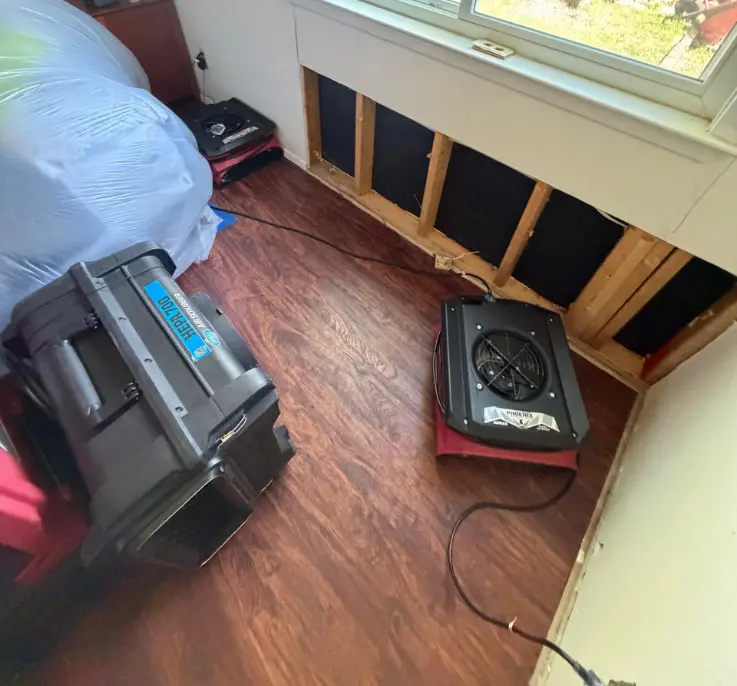
Twin Pillars Restoration provides complete solutions for properties affected by water intrusion. Skilled technicians arrive with industrial-grade equipment designed to extract standing water, identify hidden moisture, and dry structural components thoroughly. Moisture detection technology reveals water trapped inside walls, beneath flooring, and within ceiling cavities where visual inspection cannot reach. High-velocity air movers and commercial dehumidifiers work together to remove moisture from materials and lower ambient humidity levels. This systematic approach ensures that every affected area receives proper treatment, eliminating conditions that allow mold and bacteria to thrive.
Fire damage restoration presents different challenges that demand specialized knowledge and equipment. Fires leave behind layers of soot, ash, and corrosive residues that continue damaging surfaces long after flames are extinguished. Smoke penetrates porous materials, including upholstery, carpeting, drywall, and wooden structures, creating persistent odors that standard cleaning cannot eliminate. Acidic byproducts from combustion corrode metal fixtures, discolor painted surfaces, and weaken structural elements. Without proper intervention, these effects worsen over time, forcing property owners to replace materials that could have been salvaged with prompt professional treatment.
Smoke and odor elimination requires more than surface cleaning. Restoration professionals use thermal fogging, ozone treatment, and hydroxyl generation to neutralize odor molecules embedded deep within materials. These advanced techniques break down odor-causing compounds at the molecular level, rather than simply masking smells with fragrances. Surfaces receive careful cleaning with specialized products formulated to remove soot and residues without causing additional damage. Structural components are inspected for integrity, and materials too damaged to restore are safely removed and disposed of according to regulations.
Mold remediation becomes necessary when water damage goes untreated or when chronic moisture problems exist. Rollingwood’s humid climate provides ideal conditions for fungal growth, particularly during late spring and summer when temperatures rise and rainfall increases. Basements, crawl spaces, and poorly ventilated bathrooms are especially vulnerable to mold colonization. Once established, mold spreads quickly, releasing spores into the air that can trigger allergic reactions and respiratory problems. Effective remediation requires containing the affected area, removing contaminated materials, treating surfaces with antimicrobial solutions, and addressing the underlying moisture source.
Twin Pillars Restoration follows established protocols for safe mold removal. Containment barriers prevent spores from spreading to unaffected areas during the removal process. HEPA filtration systems capture airborne particles, protecting both occupants and workers. Contaminated materials are carefully removed and discarded in sealed bags. Surfaces are cleaned and treated to prevent regrowth. After remediation is complete, the team addresses moisture issues by improving ventilation, repairing leaks, and recommending preventive measures that reduce future mold risks.
Biohazard cleanup addresses situations involving sewage backups, contaminated water, or other hazardous materials. Category 3 water, which includes sewage and floodwater, contains bacteria, viruses, and other pathogens that pose serious health risks. Standard cleaning methods are insufficient for these scenarios. Professional cleanup involves removing contaminated materials, disinfecting all affected surfaces, and ensuring that the area is safe for occupancy. Proper protective equipment and disposal procedures are mandatory to protect everyone involved and comply with health regulations.
Emergency tarping and board-up services protect properties from further damage after fires, storms, or other disasters. Damaged roofs, broken windows, and compromised walls leave structures vulnerable to weather, wildlife, and unauthorized entry. Temporary coverings prevent rain from entering, secure openings against intruders, and stabilize damaged areas until permanent repairs can be completed. This immediate response minimizes additional losses and demonstrates responsible property stewardship to insurance companies.
Structural drying goes beyond removing visible water. Moisture meters and thermal imaging cameras detect dampness hidden within walls, floors, and ceilings. Technicians monitor moisture levels throughout the drying process, adjusting equipment placement and settings to optimize results. Documentation tracks progress and provides insurance companies with the detailed records they require. This meticulous approach ensures that structures are completely dry before reconstruction begins, preventing problems that emerge when moisture remains trapped inside building assemblies.
Drywall restoration and painting return fire-damaged and water-damaged interiors to their original condition. After affected drywall is removed or dried, replacement panels are installed, taped, and finished to match existing textures. Surfaces are primed and painted using high-quality products that provide lasting results. Color matching ensures that repaired areas blend seamlessly with surrounding walls. The goal is to make the damage invisible, restoring the property to its pre-loss appearance.
Burst pipe cleanup addresses one of the most common water emergencies in residential properties. When pipes freeze and rupture, water floods homes rapidly, often affecting multiple rooms and levels. Quick response limits damage, but thorough cleanup requires removing all water, drying structural components, and inspecting for secondary damage. Insulation, flooring, and drywall frequently need replacement after significant pipe failures. Professional assessment identifies all affected areas, ensuring nothing is overlooked that could cause problems later.
Flood cleanup and flood restoration services help property owners recover from natural disasters and severe weather events. Floodwater carries contaminants from soil, streets, and drainage systems, requiring careful handling and disposal. All affected materials are evaluated to determine what can be salvaged and what must be removed. Structures are thoroughly cleaned and disinfected. Moisture is extracted and drying equipment is deployed to prevent mold growth. The restoration process follows a logical sequence that prioritizes safety, structural stability, and thorough remediation before cosmetic repairs begin.
Property owners should never delay when damage occurs. Every hour that passes allows problems to worsen and costs to increase. Immediate action protects both the structure and its contents, minimizes health risks, and demonstrates responsible management to insurance carriers. Professional restoration teams have the training, equipment, and experience to handle emergencies efficiently, reducing stress and uncertainty during difficult times.
If your property has been affected by water intrusion, fire, smoke, mold, or other damage, professional assistance is available. Contact the team to discuss your situation and schedule an assessment. Restoration specialists will evaluate the damage, explain the necessary steps, and begin the recovery process. With 24/7 availability and rapid response, help is ready when you need it most. Visit the services page to learn more about the full range of solutions available to Rollingwood property owners facing unexpected disasters.
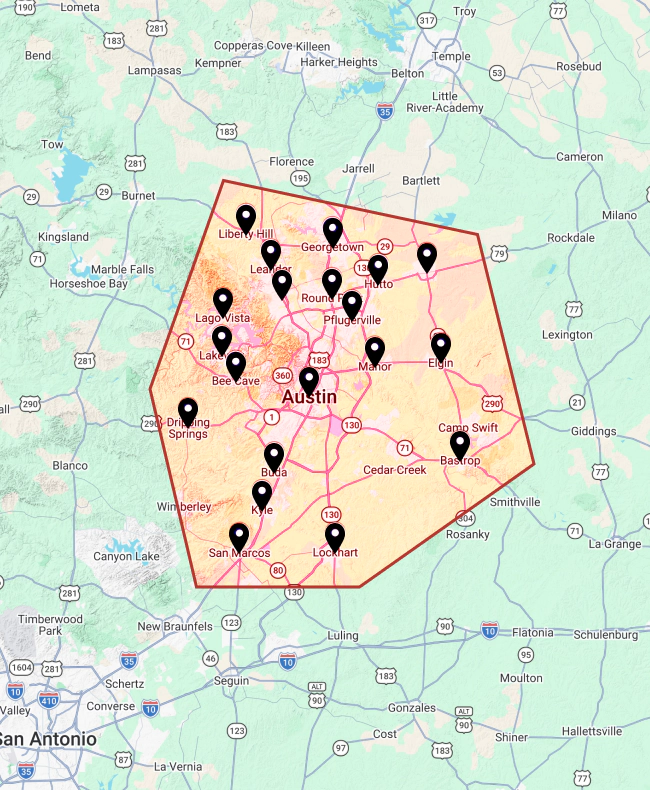
Call (512) 876-0446 or complete the form below to schedule your property evaluation and receive a detailed service estimate.