
FIRE AND SMOKE DAMAGE RESTORATION
FIRE AND SMOKE DAMAGE RESTORATION in Austin, TX.
A house fire can travel from a small flame to full room flashover in 3 to 5 minutes, and a room in flashover reaches roughly 1,832 degrees Fahrenheit. Twin Pillars Restoration handles fire and smoke damage restoration in Austin, TX, covering emergency board-up, soot and residue cleaning, odor treatment, contents, and the reconstruction that follows. Our IICRC certified technicians work the entire loss, including the thousands of gallons of water a fire crew inevitably leaves behind in the structure.
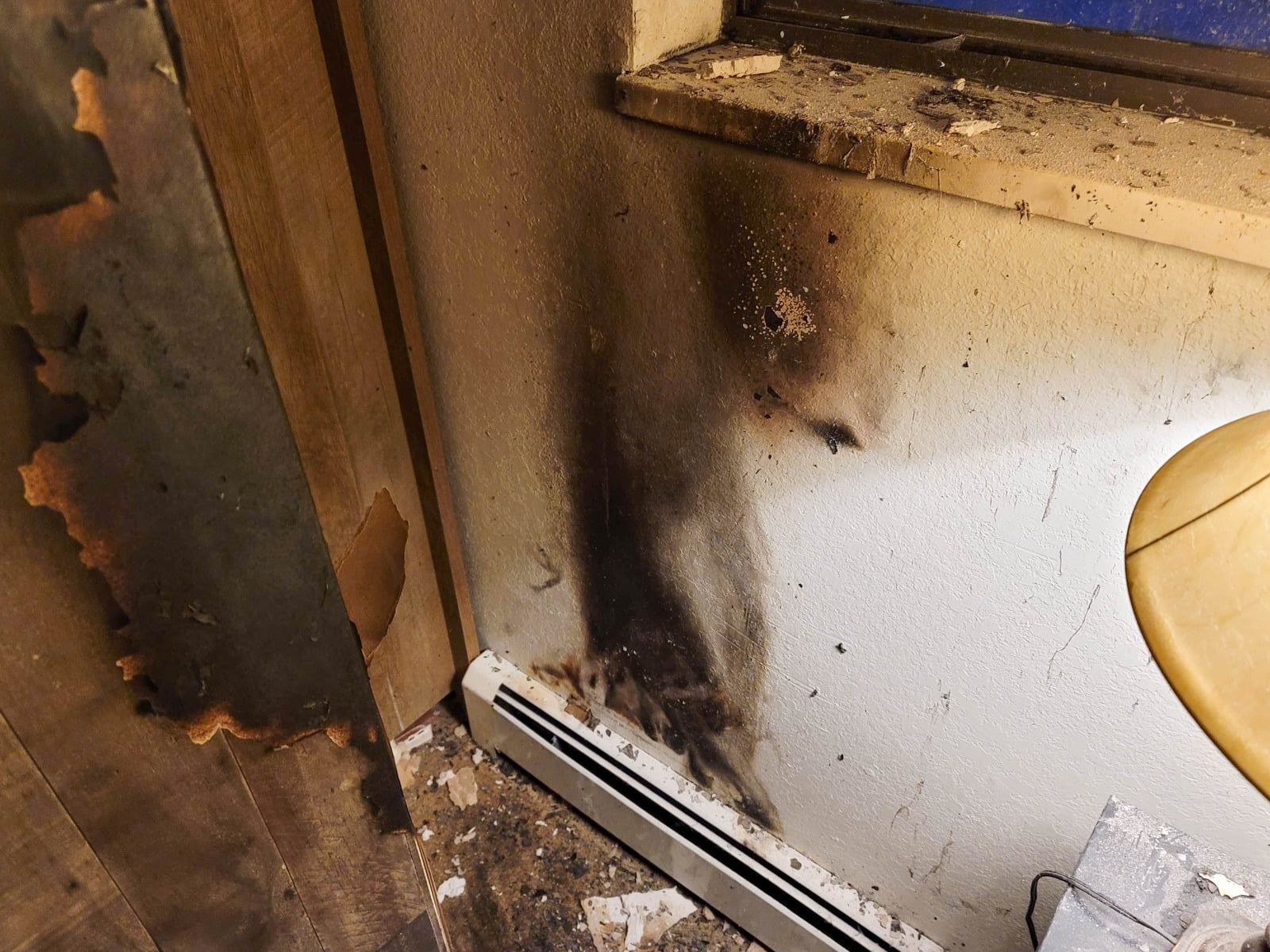
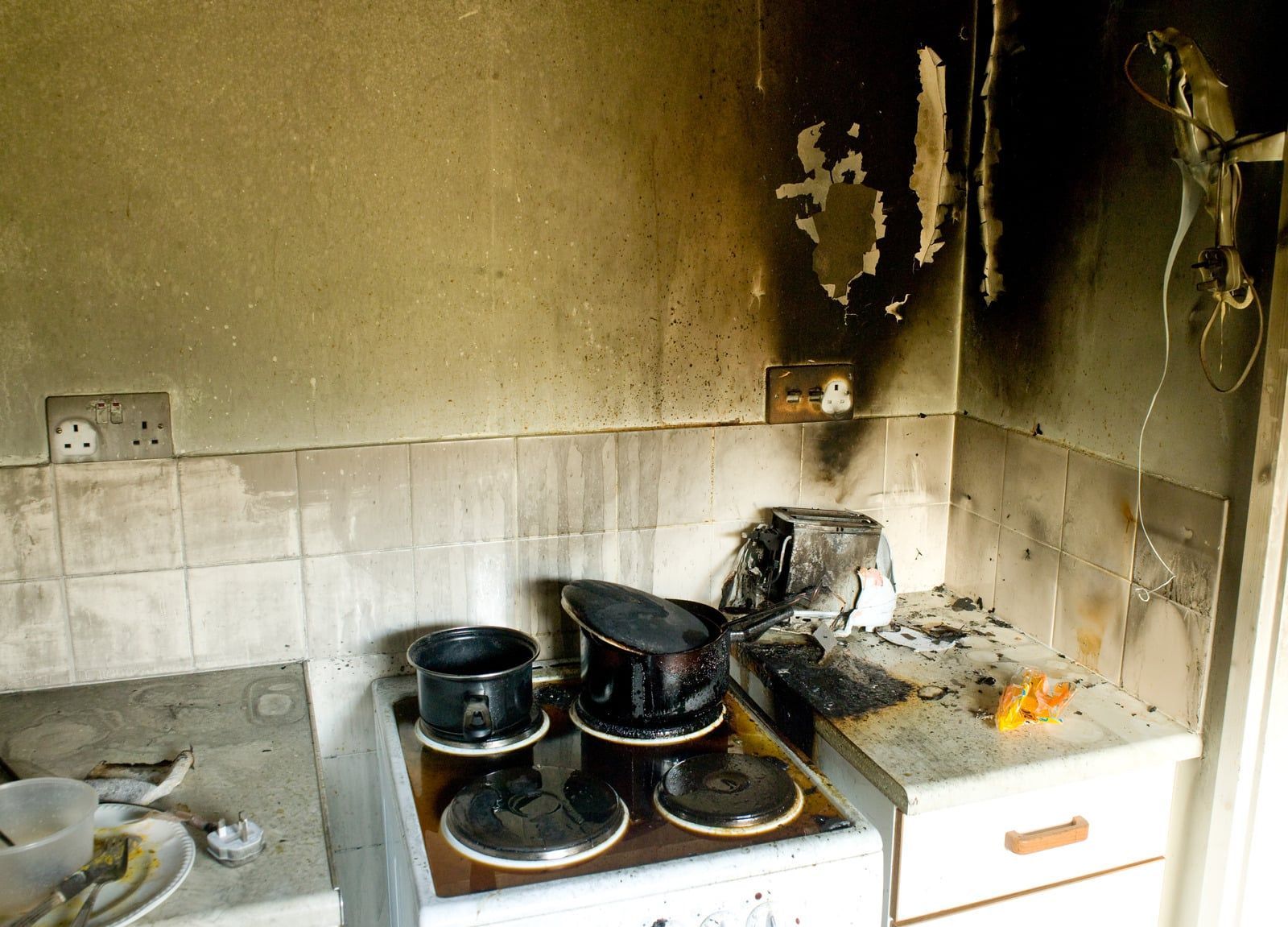
SMOKE TRAVELS FURTHER THAN THE FIRE EVER DID.
Flame damage is usually the smallest part of a fire loss. Smoke moves with air, chases cold surfaces, and settles in rooms that never saw fire, including closets, drawers, and the inside of an air-conditioning system. Residue then keeps working on whatever it landed on, etching metal, discoloring grout, and yellowing paint while everybody waits on an adjuster.
Speed matters here for a different reason than in water losses. The sooner residue leaves a surface, the more of that surface survives, so we stabilize and begin cleaning rather than waiting for a final scope.
- Emergency board up and tarping
- Soot and smoke residue cleaning
- Odor treated at the source
- Contents cleaning and full reconstruction
FIRE AND SMOKE DAMAGE RESTORATION
SOOT IS ACIDIC AND IT KEEPS WORKING.
Residue is not dust. Wet smoke from a slow smoldering fire leaves a sticky film that smears deeper into anything porous. Dry smoke from a fast, hot fire leaves a fine powder that embeds itself in texture and fabric. Protein residue from a kitchen fire is nearly invisible and carries the strongest odor of the three. Each one demands different chemistry, so identifying the residue always comes before touching it.
FIRE CREWS LEAVE WATER BEHIND THEM.
An extinguished house fire is also a water loss, frequently thousands of gallons of it, sitting inside a structure now open to the weather. In Austin, TX that means humid air moving through holes in a roof. We tarp, board up, extract, and begin drying on the first visit, because mold growing on top of fire damage effectively doubles the size of the project.
ODOR LIVES IN SURFACES, AND SO DOES OUR WORK.
Smoke odor is not floating in the air waiting to be filtered out. It sits in the porous surfaces that absorbed it and releases back into the room for months, which is why a house can smell fine at noon and wrong by evening. Research measuring smoke compounds indoors found physical cleaning cut them by half, while a portable air cleaner managed under 5 percent. We clean surfaces first, then treat, then seal what refuses to release.
WHY CHOOSE US FOR FIRE AND SMOKE DAMAGE RESTORATION.
THE WHOLE LOSS, NOT HALF
Fire, smoke, and the water used to put it out arrive together, and one team handling all three means no gaps between contractors while your house sits open to the weather.
RESIDUE IDENTIFIED FIRST
Wet smoke, dry smoke, and protein residue each need different chemistry and technique, so naming what is actually on your surfaces prevents the smearing that turns cleanable finishes into replacement.
BELONGINGS TREATED LIKE YOURS
Contents get inventoried, photographed, and cleaned rather than swept into a dumpster, because the items that make a house feel like home are rarely the ones an estimate covers.
ODOR THAT DOES NOT RETURN
Cleaning the reservoirs holding smoke compounds, then sealing what cannot be cleaned, deals with the smell permanently rather than covering it until the first genuinely humid week.
A SECURED PROPERTY TONIGHT
Board-up and tarping the same day keep weather, animals, and unwanted visitors out of an open structure, which protects both the remaining contents and your insurance position.
ONE SCOPE THROUGH THE REBUILD
The crew that cleaned the framing also hangs the drywall and sets the trim, so the finished rooms match, and nobody argues about where cleaning ended and rebuilding began.
Lorem ipsum dolor sit amet, consectetur adipiscing elit. Sed do eiusmod tempor incididunt ut labore et dolore magna aliqua. Ut enim ad minim veniam, quis nostrud exercitation ullamco laboris nisi ut aliquip ex ea commodo consequat.
Insert Title
Insert Title

Lorem ipsum dolor sit amet, consectetur adipiscing elit. Sed do eiusmod tempor incididunt ut labore et dolore magna aliqua. Ut enim ad minim veniam, quis nostrud exercitation ullamco laboris nisi ut aliquip ex ea commodo consequat.
Lorem ipsum dolor sit amet, consectetur adipiscing elit. Sed do eiusmod tempor incididunt ut labore et dolore magna aliqua. Ut enim ad minim veniam, quis nostrud exercitation ullamco laboris nisi ut aliquip ex ea commodo consequat.
WHAT WE RESTORE
OUR FIRE AND SMOKE RESTORATION WORK.
A fire loss is really several projects stacked together, running from the night the fire department leaves through the day the last baseboard goes on. Here is the work we handle for Austin homeowners.
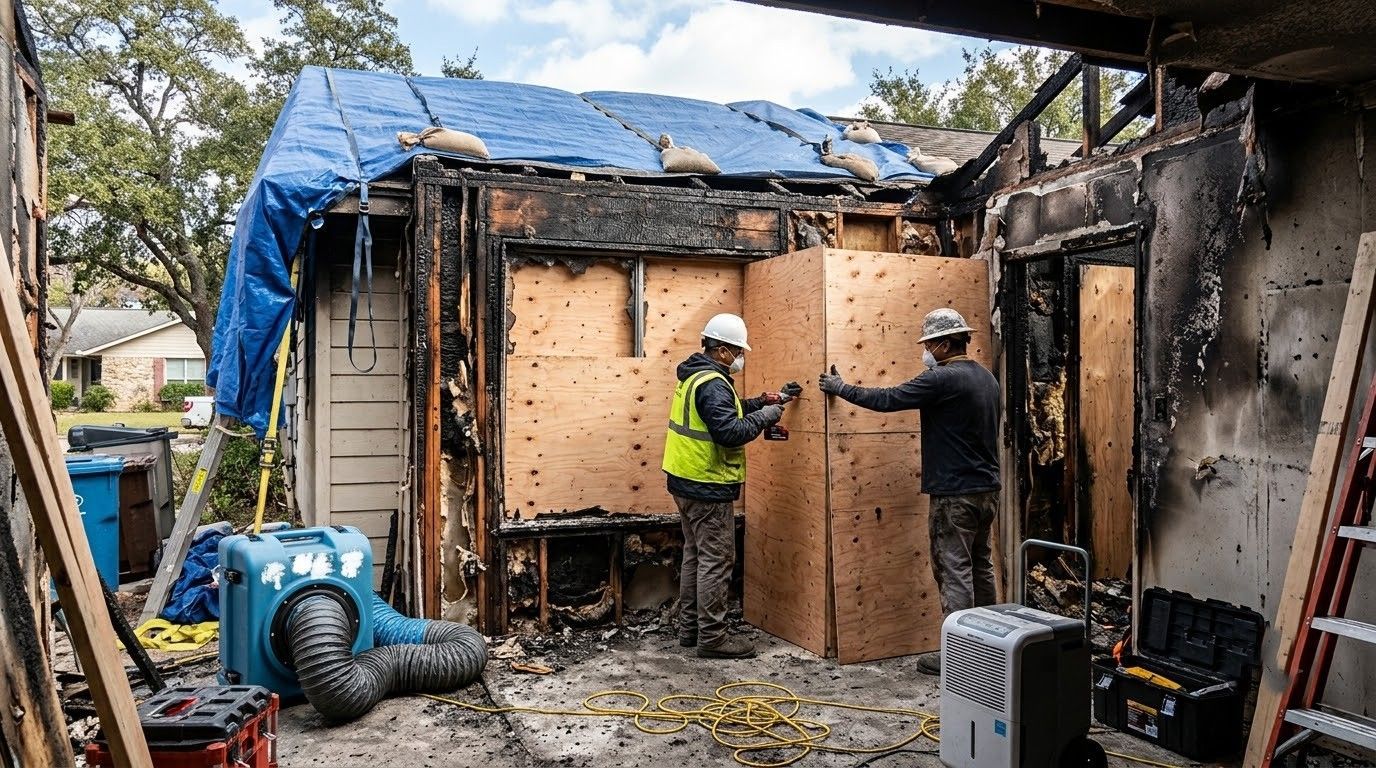
FIRST NIGHT
Emergency Board-Up and Tarping
Openings get boarded, the roof gets covered, and the property is secured before weather or intruders add to the loss. This happens the same day, ahead of any cleaning or scoping discussion.
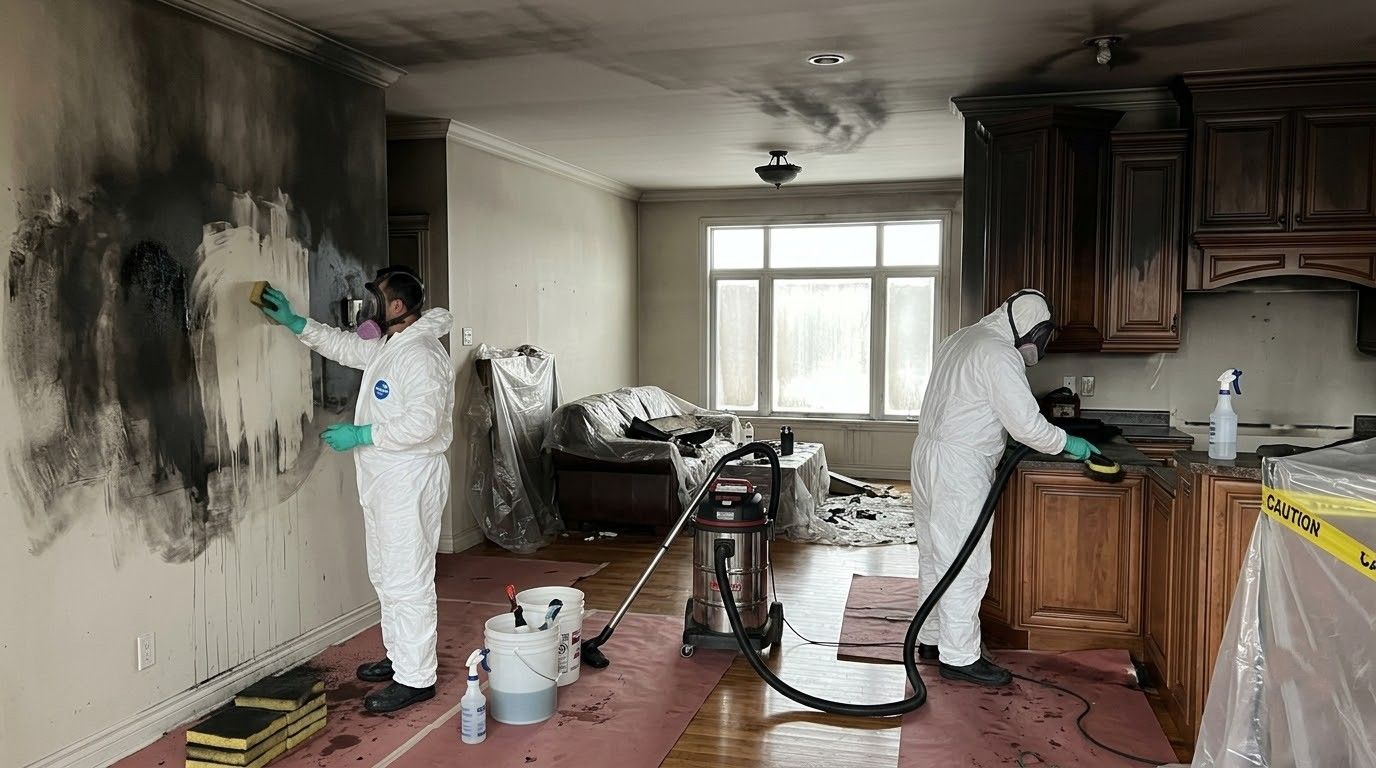
RESIDUE
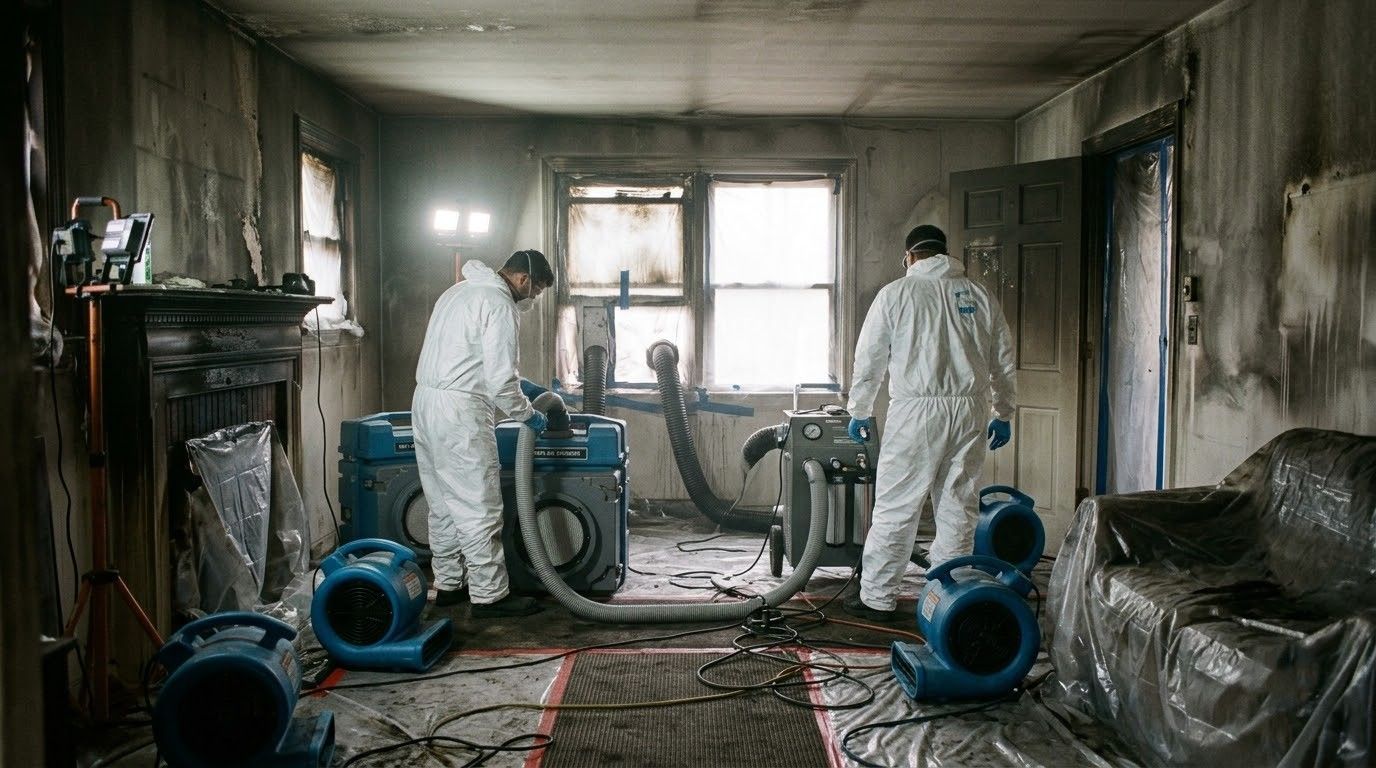
Soot and Smoke Residue Cleaning
Structural surfaces are cleaned by residue type, starting dry to lift loose soot and finishing wet where the finish allows. Ceilings, walls, trim, and hard surfaces are worked systematically rather than spot treated.
AIR AND SURFACES
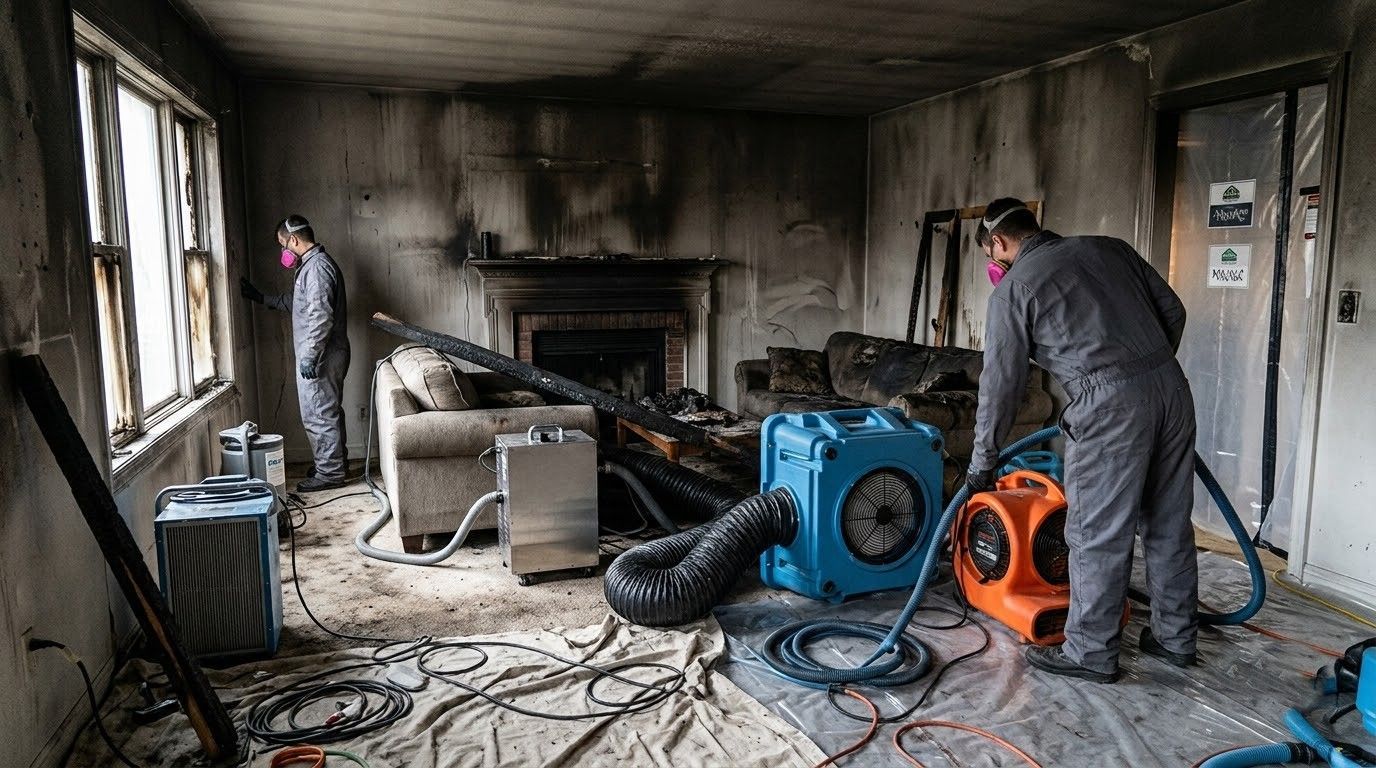
Smoke Odor Removal
Odor treatment follows cleaning, never replaces it. Once the reservoirs are gone, remaining compounds get addressed and porous surfaces that cannot fully release the smell are sealed before any primer or paint.
BELONGINGS
Contents Cleaning and Pack-Out
Salvageable items are inventoried, photographed, cleaned, deodorized, and stored while the structure gets repaired. Textiles, hard goods, and electronics each follow their own process, and unsalvageable items are documented for your claim.
AFTER THE HOSE
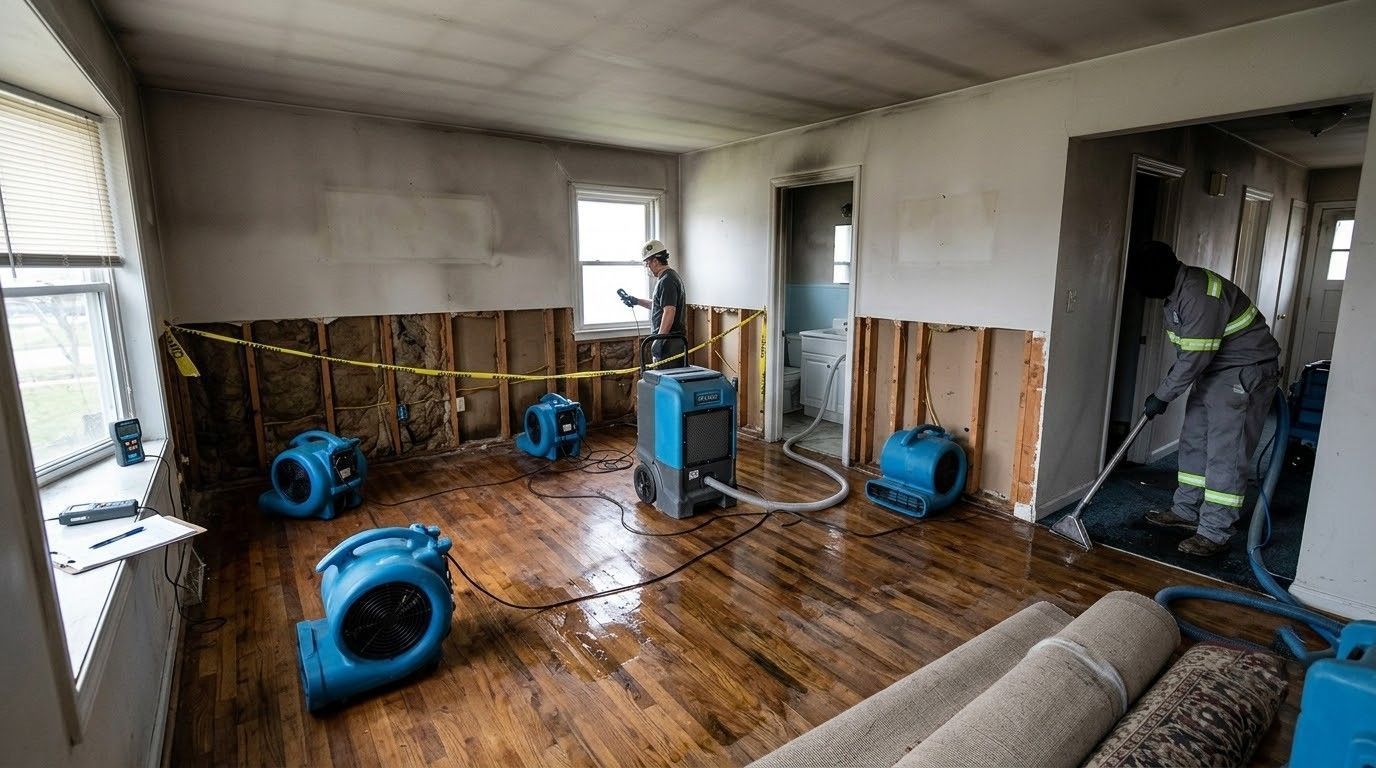
Water Extraction and Structural Drying
Extinguishing water soaks framing, insulation, and flooring exactly like any other loss. We extract, remove saturated material, and dry to documented readings so contamination never gets sealed inside a rebuilt wall.
PUTTING IT BACK
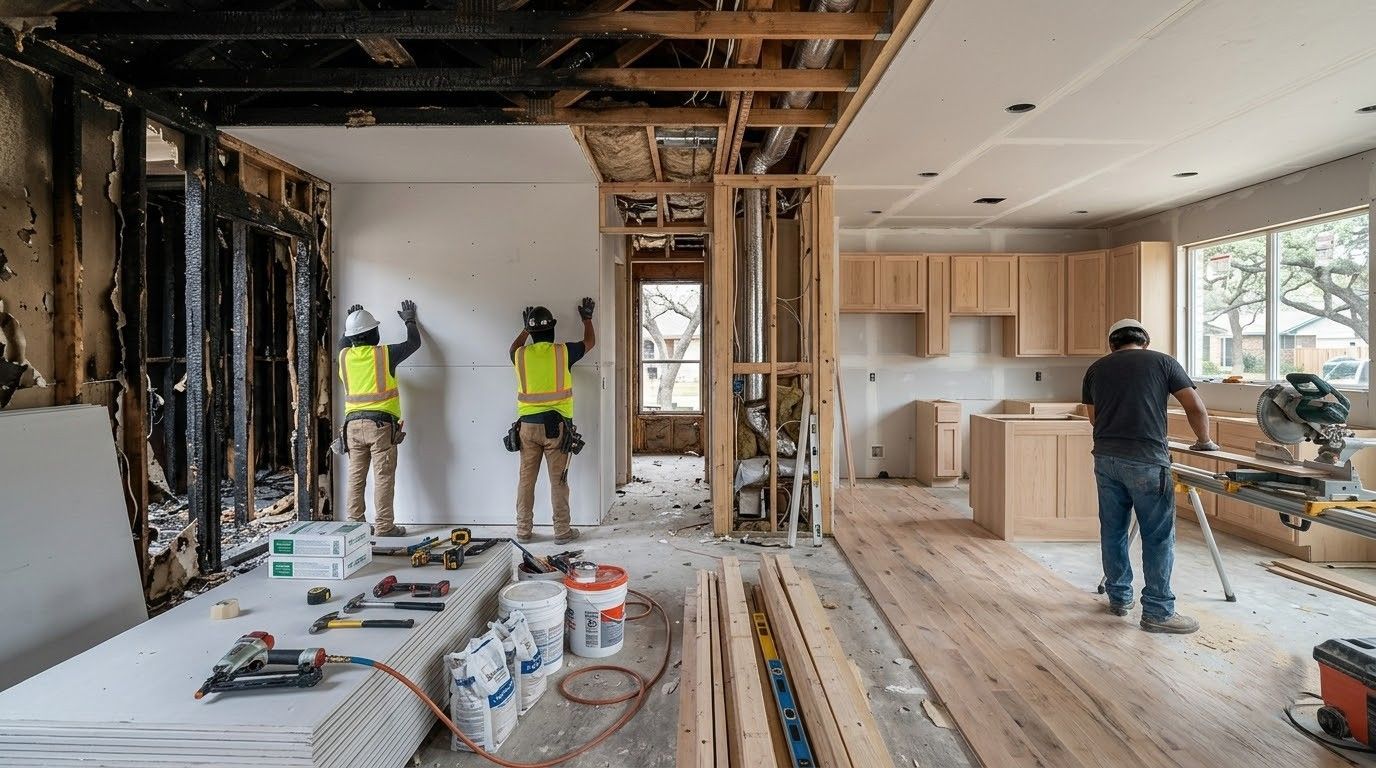
Fire Damage Repairs and Reconstruction
Charred framing, damaged drywall, ruined flooring, and burned cabinetry are rebuilt to finished condition. Permitted structural work is handled in sequence, so the repair passes inspection instead of stalling halfway.
THE WORD ON OUR WORK
WHAT OUR CLIENTS SAY.
Homeowners describe the same relief after a fire loss: someone answered, someone secured the house, and someone explained what happens next in an order that made sense. Reviews mention the communication as often as the work, which tells us where the real anxiety lives.
Common Questions
FREQUENTLY ASKED QUESTIONS.
Fire losses raise questions nobody prepared for, usually within the first day. These answers cover what survives, how cleaning works, and why odor is a surface problem rather than an air problem.
What is salvageable after a house fire?
More than most homeowners expect. Hard surfaces, metal, glass, sealed wood, and many textiles clean successfully when treated early. Heavily charred structural material, deeply absorbent items, and anything saturated by extinguishing water usually cannot be brought back at all.
How long does fire damage restoration take?
Cleaning and deodorizing a limited area usually takes several days. Twin Pillars Restoration schedules larger Austin, TX rebuilds across weeks or months, since reconstruction follows permitting, insurance approval, and material lead times rather than the pace of the cleaning itself.
Can you live in a house after a fire?
Only once the structure, wiring, and gas have all been cleared as safe and the air quality has been addressed properly. Even undamaged rooms hold residue and odor, so most families relocate for the duration of cleaning and reconstruction.
How do you know if your house has smoke damage?
Gray or yellow film on walls and ceilings, blackened filters and registers, discolored grout, tarnished metal, and a smell that intensifies with heat or humidity. Damage frequently shows up in rooms well away from where the fire actually burned.
How do you get smoke smell out of a house?
By cleaning the surfaces holding the residue rather than masking the air. Twin Pillars Restoration cleans structure, contents, and the air system across Austin, TX, then seals whatever cannot be cleaned, which removes the reservoirs holding the smell entirely.
How do you clean soot off walls and ceilings?
Dry chemical sponges lift the loose residue first, because introducing moisture too early smears soot deeper into the finish permanently. Wet cleaning with residue appropriate chemistry follows, worked from the bottom of the wall upward so that nothing streaks.
Is soot from a house fire dangerous?
Yes. Soot carries very fine particulate and combustion byproducts that irritate lungs, skin, and eyes, and burned plastics add compounds nobody wants stirred up indoors. Respiratory protection is standard for anyone entering the building before cleaning has happened.
Do you have to clean soot off walls before painting?
Yes. Paint applied over residue traps odor beneath the film and frequently fails to adhere, so the smell returns once heat and humidity go to work. Cleaning first, then sealing, then painting is the only sequence that holds.
HOW WE WORK
FROM BOARD UP TO FINAL SEAL, HERE IS HOW.
STEP 01
Secure the Structure
Tarps, board-up, and temporary fencing go in as soon as the fire department releases the property. An open house loses more to weather and trespass in a single week than many fires take.
STEP 02
Assess Residue and Damage
We identify the residue type, map how far smoke traveled, and separate what cleans from what gets replaced. That assessment becomes the scope your adjuster reviews and the working plan our crews follow.
STEP 03
Remove Water and Debris
The extinguishing water comes out, unsalvageable material is removed and documented, and drying equipment goes in. Debris leaves the property before cleaning starts, so nobody ends up pushing the same residue around twice.
STEP 04
Clean Structure and Contents
Framing, surfaces, and salvageable belongings are cleaned by material and residue type. Contents leave for cleaning and storage when the repairs require the space, with every item inventoried and photographed before it leaves the house.
STEP 05
Treat and Seal for Odor
With the reservoirs removed, remaining odor gets treated, and porous surfaces that still hold smell are sealed. Air handling components are addressed here too, since ductwork will carry odor straight back into finished rooms.
STEP 06
Rebuild the Damaged Areas
Framing repairs, drywall, texture, paint, flooring, trim, and cabinetry restore the finished space. Permitted work is coordinated and inspected, and your belongings come back into the house once the rooms are ready for them.
START YOUR FIRE RECOVERY
THE SOONER CLEANING STARTS, THE MORE SURVIVES.
Residue keeps etching, staining, and absorbing into your home every day it sits, which is why the first week decides how much of the house gets cleaned rather than replaced. Twin Pillars Restoration has spent 15 years bringing fire damaged properties back across Austin, TX, from the board-up through the final coat of paint. Veterans and first responders receive 10% off. Reach us through our contact page and we will start the assessment.
WHAT YOUR FIRE ASSESSMENT COVERS:
- The residue type on your surfaces
- How far smoke and odor traveled
- Water damage left by the fire crew
- What cleans and what gets replaced
- A contents inventory with photographs
- A written scope for your insurer