
MOLD REMEDIATION
MOLD REMEDIATION in Austin, TX.
Texas requires a licensed remediator once mold contamination covers 25 contiguous square feet, and most homeowners have no real idea which side of that line their bathroom is on. Twin Pillars Restoration performs mold remediation in Austin, TX, beginning with a free inspection that traces the moisture feeding the growth. We are TDLR licensed and IICRC certified, we build containment before anything gets disturbed, and we correct the leak, condensation, or drainage problem sitting behind the colony itself.
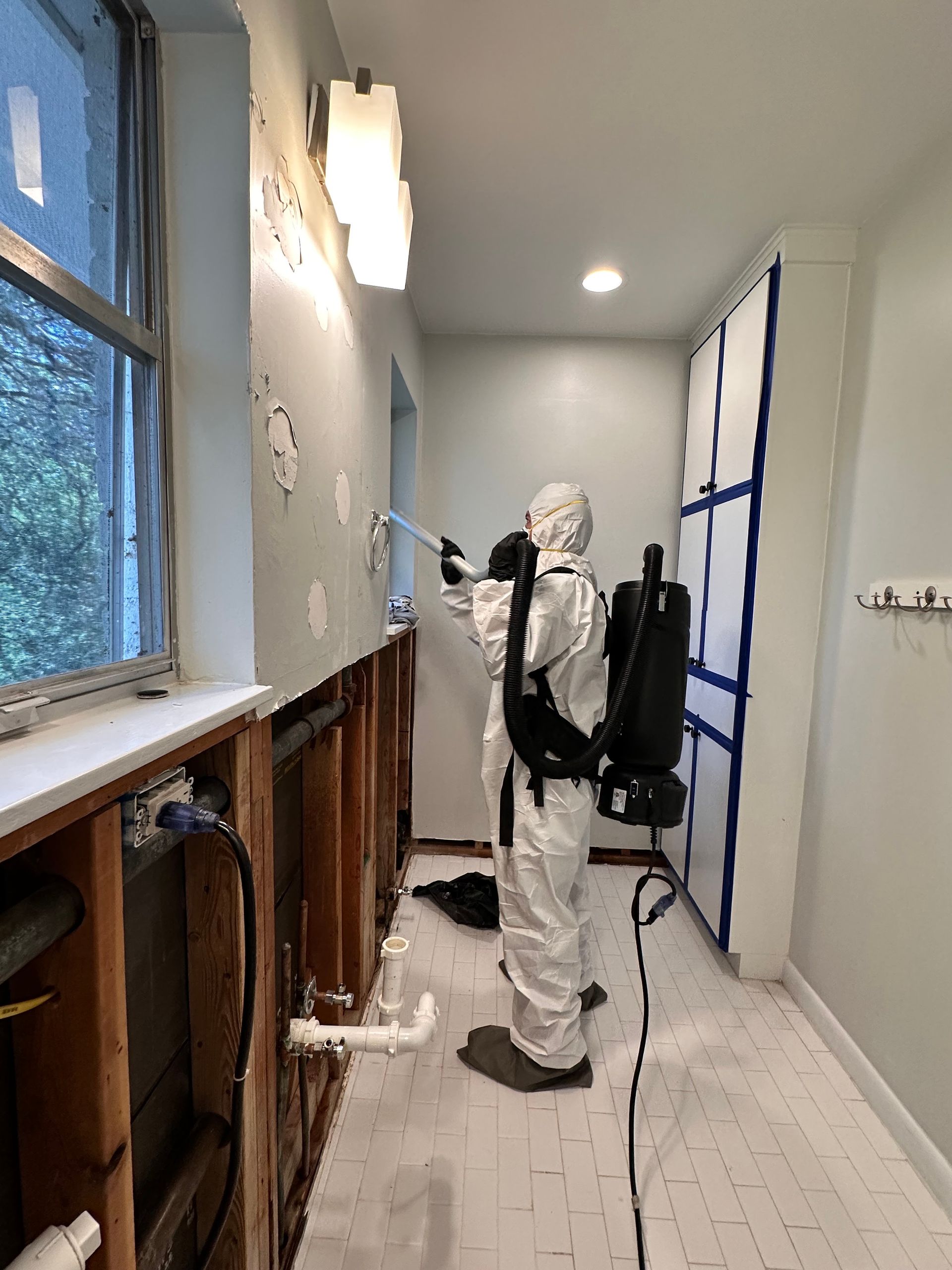
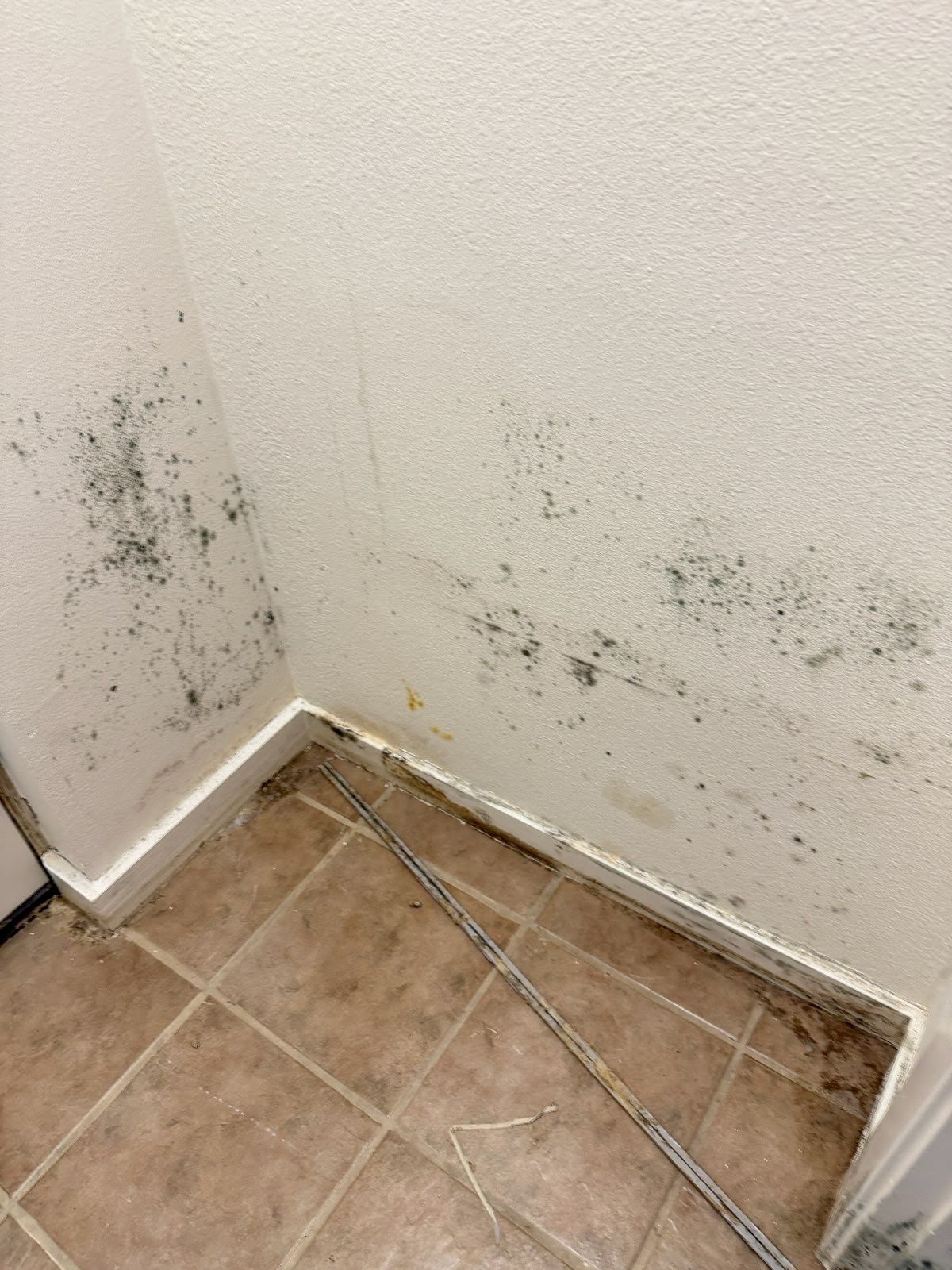
MOLD IS A MOISTURE PROBLEM WEARING A DISGUISE.
Spores already live in every house. What they lack is water. Give paper-faced drywall, a cabinet back, or attic sheathing a steady supply of moisture and growth can begin within a couple of days. Wiping down what you can see does nothing about the leak that fed it, which is why treated bathrooms and closets keep coming back season after season.
So our work starts with the water. We find the source, document it, remove contaminated material at that source, and dry the cavity behind it thoroughly before anything gets rebuilt.
- Free mold inspections for Austin homeowners
- TDLR licensed mold remediation
- Containment with HEPA filtered air
- The moisture source located and corrected
MOLD REMEDIATION
CONTAINMENT IS WHAT SEPARATES REMEDIATION FROM SPREADING.
Disturbing growth without containment pushes spores through the rest of the house, which turns one contaminated bathroom into four contaminated rooms. We seal the work area with 6-mil polyethylene, hold it under negative pressure using HEPA filtered air machines, and set a decontamination chamber at the entry point. HEPA filtration captures 99.97 percent of particles at 0.3 microns, and that barrier is what stands between the work and your bedrooms.
ATTIC AIR HANDLERS FEED CENTRAL TEXAS MOLD.
Austin mornings average close to 83 percent relative humidity, and most houses here run ductwork and an air handler straight through a hot attic. Cold supply lines sweat, condensate pans overflow into insulation, and nobody looks until a register starts smelling wrong. Bath fans vented into the attic instead of outside cause identical trouble. We check all three of those places first, before opening anything else.
WE HAVE OPENED WALLS THAT LOOKED PERFECTLY FINE.
A wall with no stain, no odor at eye level, and nothing visible can still hold a colony behind the vapor barrier. 15 years of Central Texas remediation has taught us which framing details trap water, which builder shortcuts show up again and again, and when a small visible patch is only the edge of something larger. That judgment keeps demolition honest in both directions. Ready to find out what is behind yours?
WHY CHOOSE US FOR MOLD REMEDIATION.
THE SOURCE, NOT THE STAIN
Every scope we write names the water problem behind the growth, because a colony removed without fixing its supply is a colony you will pay to remove a second time.
YOUR CLEAN ROOMS STAY CLEAN
Sealed containment, negative pressure, and a decontamination chamber keep spores inside the work area, so the bedrooms down the hall are not quietly absorbing what the demolition released.
AN INSPECTION THAT COSTS NOTHING
You find out what you are dealing with before spending anything, which means the decision to remediate is based on findings and readings rather than on worry about a smell.
WORK THAT HOLDS UP TO CLEARANCE
Because an independent consultant checks our results in Texas, we build every project to pass that review rather than to look finished, and the difference shows in the paperwork.
AIR YOU STOP THINKING ABOUT
Removing contamination at the source and filtering the work area means the musty smell leaves with the material, instead of hiding under a fragrance until the next humid week.
PUT BACK, NOT LEFT OPEN
Remediation ends with an open wall, and ours does not stay that way. The same team returns the insulation, drywall, texture, paint, and trim once the area reads clean.
Lorem ipsum dolor sit amet, consectetur adipiscing elit. Sed do eiusmod tempor incididunt ut labore et dolore magna aliqua. Ut enim ad minim veniam, quis nostrud exercitation ullamco laboris nisi ut aliquip ex ea commodo consequat.
Insert Title
Insert Title

Lorem ipsum dolor sit amet, consectetur adipiscing elit. Sed do eiusmod tempor incididunt ut labore et dolore magna aliqua. Ut enim ad minim veniam, quis nostrud exercitation ullamco laboris nisi ut aliquip ex ea commodo consequat.
Lorem ipsum dolor sit amet, consectetur adipiscing elit. Sed do eiusmod tempor incididunt ut labore et dolore magna aliqua. Ut enim ad minim veniam, quis nostrud exercitation ullamco laboris nisi ut aliquip ex ea commodo consequat.
WHAT WE REMEDIATE
OUR MOLD REMEDIATION WORK.
Growth in a bathroom, an attic, and an air handler are three different jobs with three different containment plans. These are the mold projects we handle most often across Austin homes, and how each one is approached.
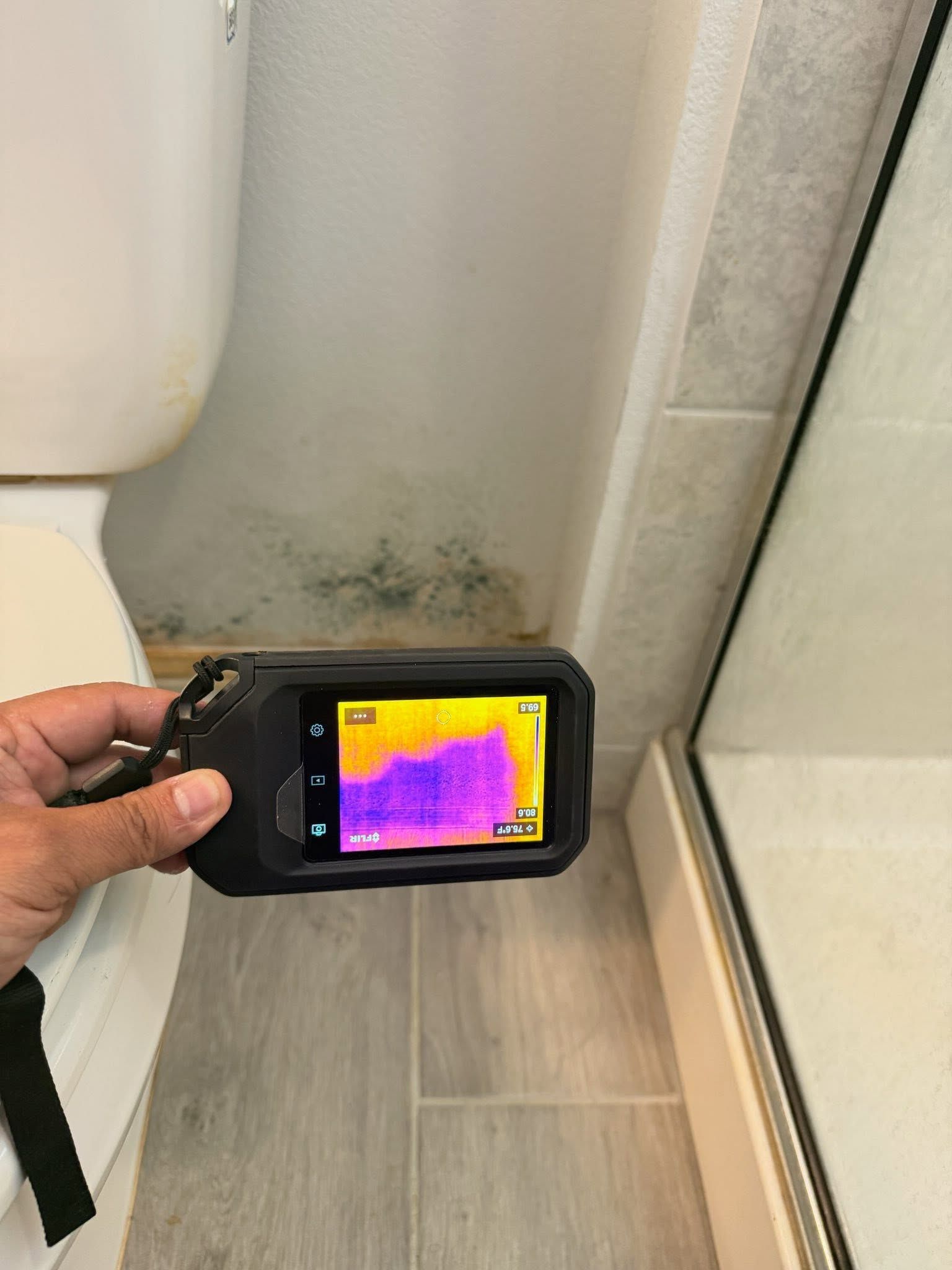
FREE INSPECTION
Mold Inspection and Moisture Assessment
A walkthrough with meters and thermal imaging locates damp cavities, measures the affected area, and identifies the water supplying it. You get findings, photographs, and a straight recommendation at no cost whatsoever.
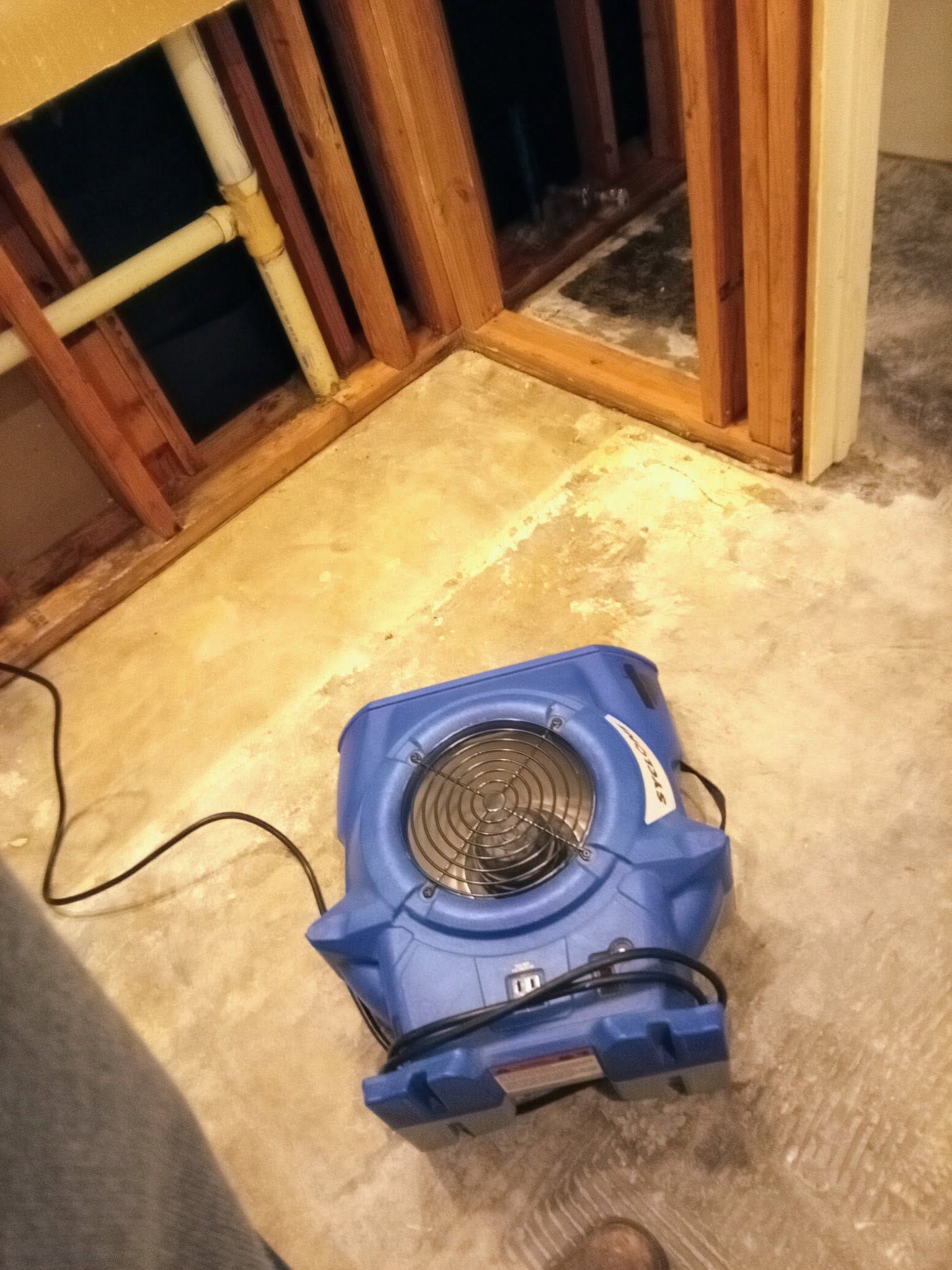
SEALED OFF
Containment and Negative Air Setup
Polyethylene barriers, sealed vents, negative pressure, and a decontamination chamber isolate the work before any material is disturbed. Air machines run continuously, filtering the work area throughout demolition and cleaning rather than only afterward.
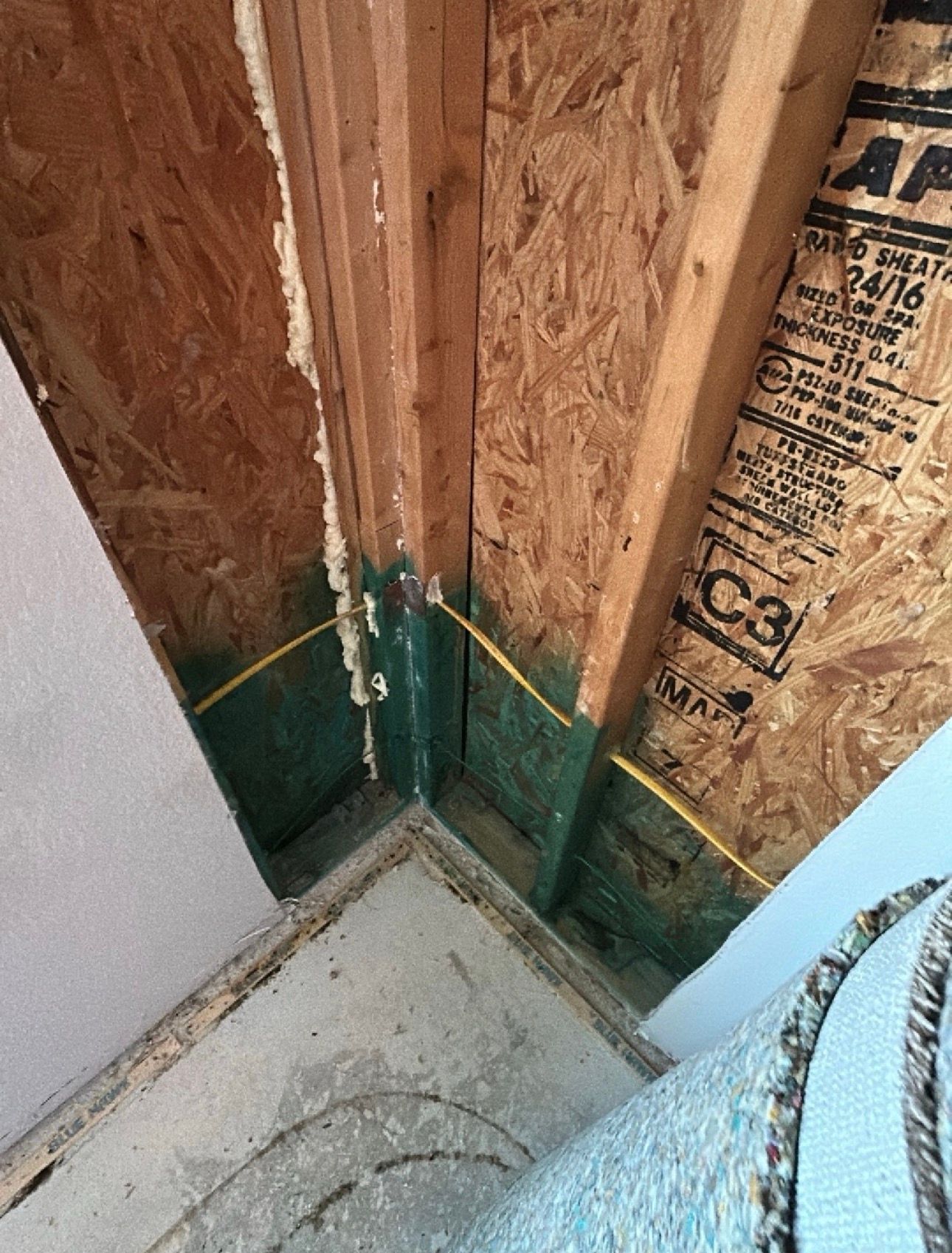
SOURCE REMOVAL
Contaminated Material Removal
Affected drywall, insulation, carpet pad, and trim come out double-bagged, cut back to a clean margin past the growth. Framing that stays gets cleaned and dried rather than painted over and closed up.
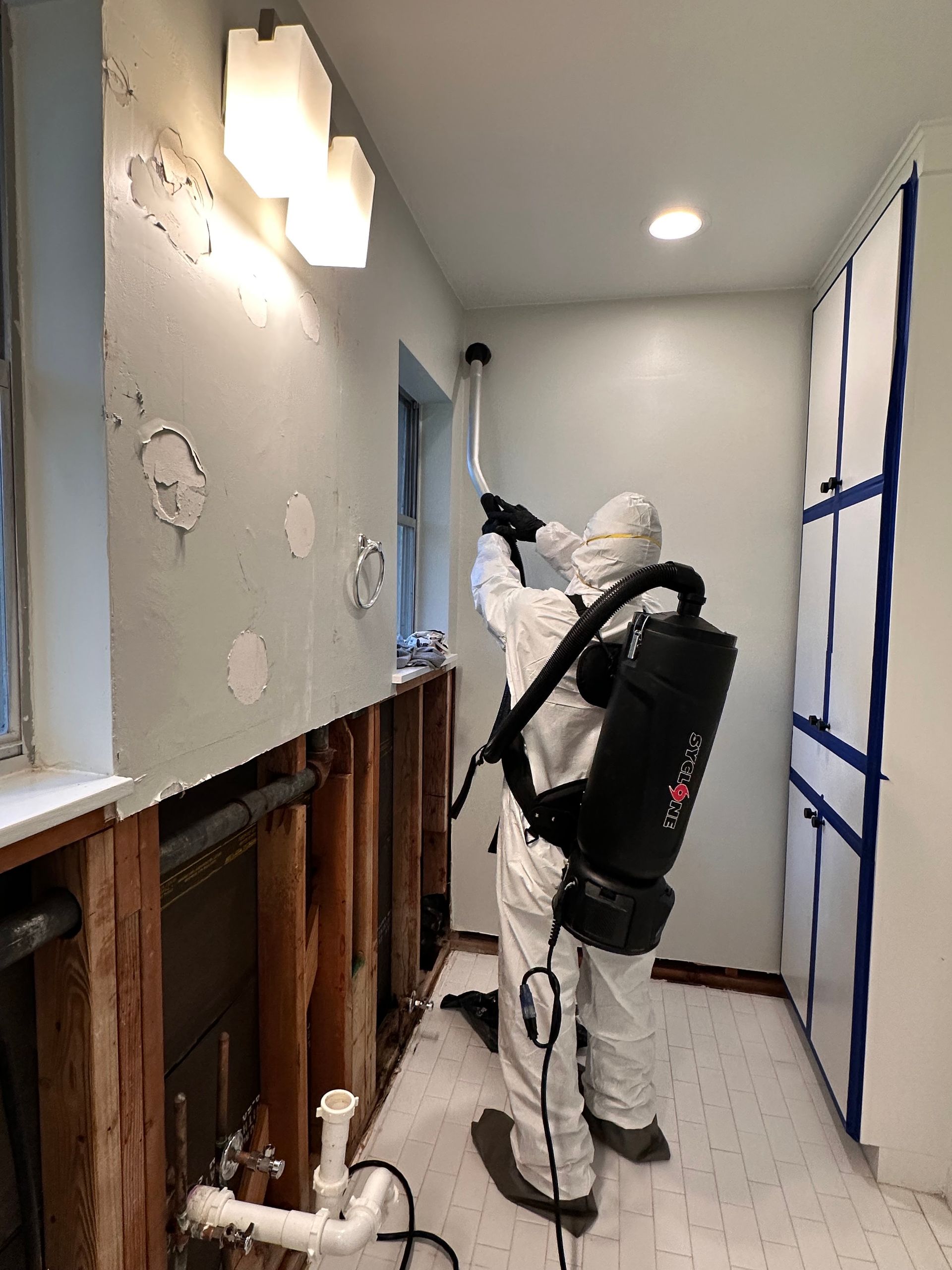
SURFACES
HEPA Vacuuming and Surface Cleaning
Structural surfaces inside containment are HEPA vacuumed and damp-wiped to remove settled spores and fragments, then filtered air keeps working while the cavity dries. Cleaning removes contamination instead of merely killing it.
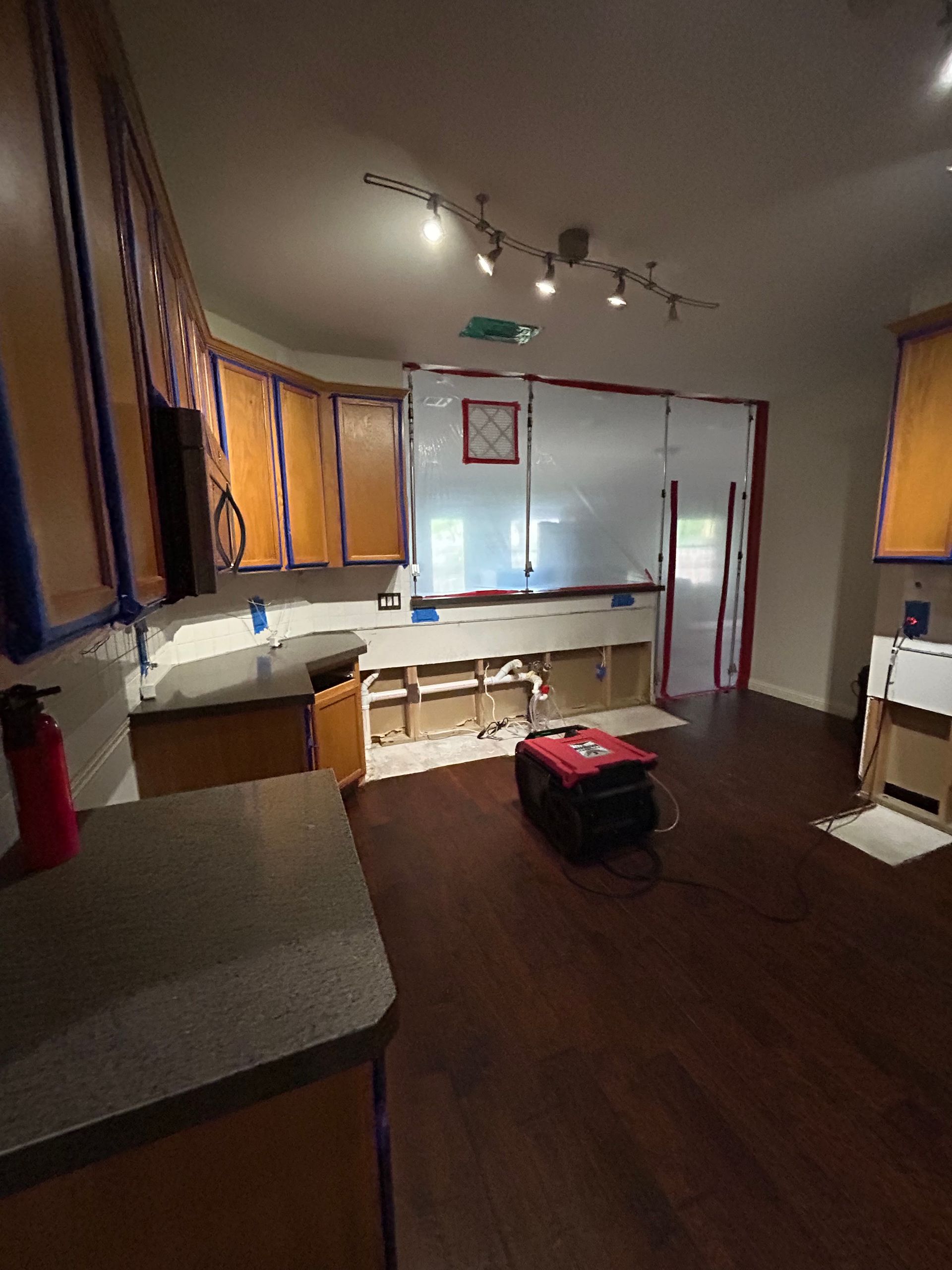
AIR HANDLERS
HVAC and Attic Mold Remediation
Sweating ducts, overflowing condensate pans, and unvented bath fans put growth where the air system can distribute it. We remediate the affected components, then correct the venting or drainage causing the condensation.
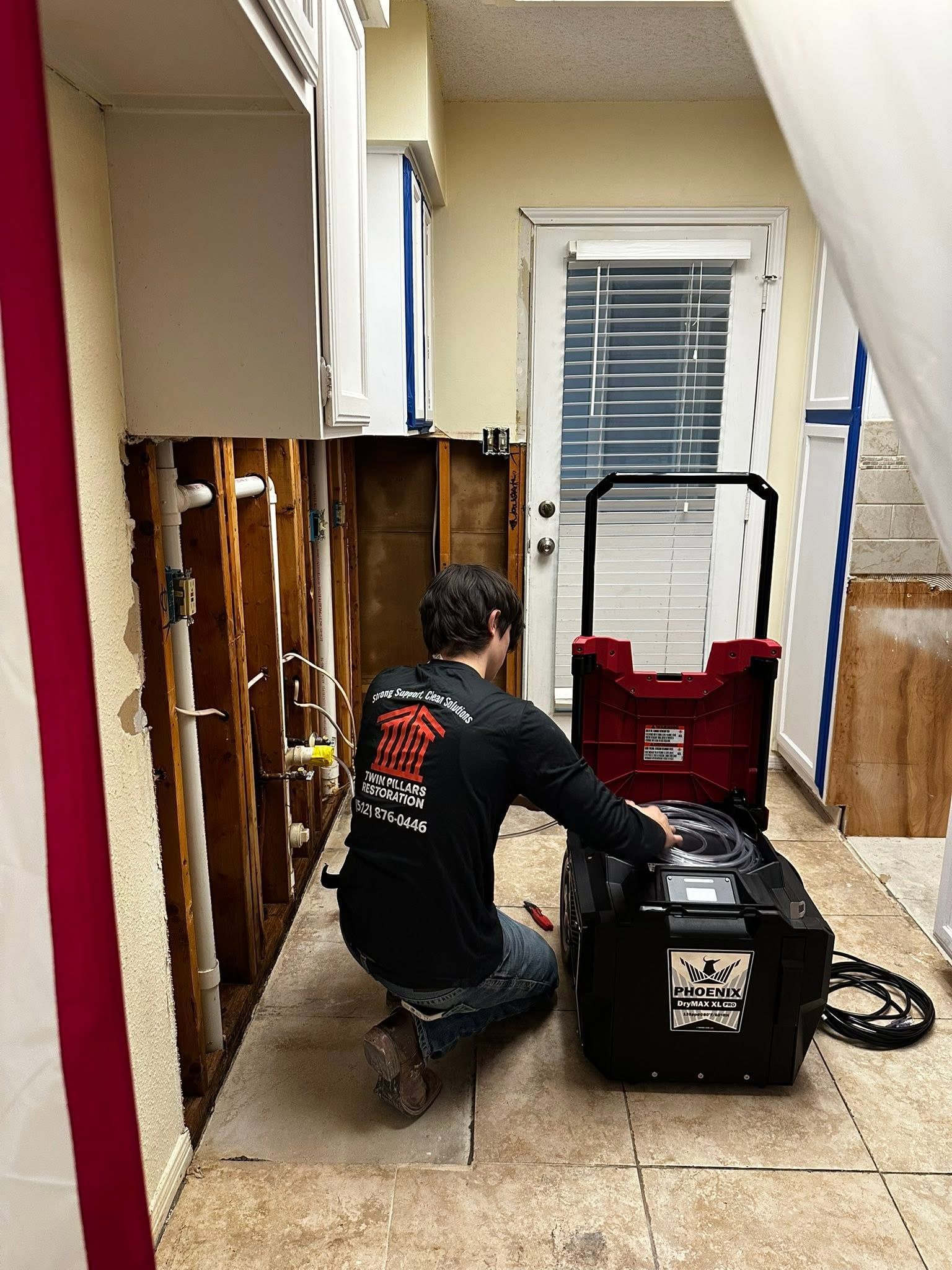
AFTER THE FIX
Moisture Correction and Prevention
Grading, drainage, sealed penetrations, working exhaust fans, and dehumidification address the conditions that started everything. Prevention is cheaper than remediation, and it is the part of the project most contractors skip entirely.
THE WORD ON OUR WORK
WHAT OUR CLIENTS SAY.
A neighbor referral brought us into an upstairs bathroom that had grown mold twice already. We removed it, then corrected the venting a builder had left wrong, which is the part that actually stopped the cycle. That homeowner brought us back to check every vent in the house.
Common Questions
FREQUENTLY ASKED QUESTIONS.
Mold raises questions about health, cost of delay, and whether the problem is really solved. These answers cover how remediation works, what Texas requires, and how results are verified.
What is the difference between mold remediation and mold removal?
Removal implies every spore leaves the building, which is not achievable in an occupied house. Remediation returns the space to normal fungal conditions by taking out contaminated material, cleaning what stays, and eliminating the moisture that allowed growth.
How long does it take to remediate mold in a house?
A contained bathroom or closet often takes 2 to 3 days including drying time. Twin Pillars Restoration handles larger Austin, TX projects involving attic sheathing or HVAC systems across a week or more, and clearance testing adds a little more.
Do you have to leave your house during mold remediation?
Usually not. Containment and negative pressure keep the work isolated from the rest of the home during demolition. Occupants with respiratory sensitivity, or projects spanning large areas and shared air systems, are the situations where leaving makes better sense.
When is mold remediation required?
Texas requires a licensed remediator once contamination covers 25 contiguous square feet. Below that, the EPA considers an area under roughly 10 square feet manageable for a homeowner, though the moisture source still has to be corrected either way.
Can mold come back after remediation?
Only if the water comes back. Growth returns when the leak, condensation, or drainage problem behind it was never corrected, which is exactly why every scope we write addresses the underlying source rather than only the visible patch.
How do you know if mold is behind drywall?
Musty odor, staining that reappears after painting, cool damp areas on thermal imaging, and elevated meter readings all point behind the surface. A small inspection opening confirms what is there without demolishing an entire wall to find out.
What is a mold clearance test?
An independent assessment performed after remediation and before rebuilding, with containment still standing. Twin Pillars Restoration builds every Austin, TX project to pass that review, which verifies conditions with sampling and confirms the underlying moisture cause was corrected.
What humidity level causes mold growth?
Sustained indoor humidity above 60 percent supports growth on most household materials. The EPA recommends holding relative humidity between 30 and 50 percent, which through a humid Austin summer means running dehumidification rather than simply opening the windows.
HOW WE WORK
FROM FREE INSPECTION TO CLEARANCE, HERE IS HOW.
STEP 01
Inspect and Find the Water
The free inspection maps damp materials, measures the affected square footage, and identifies what is supplying moisture. Nothing gets quoted before we can explain where the water came from and how far it traveled.
STEP 02
Define the Work Area
Findings set the containment boundary and the demolition margin, cut back past visible growth into clean material. Texas notification requirements are handled at this stage as well, whenever the size of the project calls for them.
STEP 03
Build the Containment
Polyethylene barriers go up, supply and return vents get sealed, negative pressure is established with HEPA filtered machines, and a decontamination chamber is framed at the single entry point. Nothing gets disturbed until that barrier is complete.
STEP 04
Remove at the Source
Contaminated drywall, insulation, and porous materials come out double-bagged and leave through the chamber. Framing and hard surfaces that remain are cleaned rather than coated over and hidden. Removal continues past the visible edge into clean material.
STEP 05
Clean, Filter, and Dry
HEPA vacuuming and damp wiping clear settled spores, air machines keep filtering, and dehumidification brings the cavity down to dry readings before containment comes down anywhere. Readings decide when that happens, never the calendar.
STEP 06
Verify, Then Rebuild
Clearance happens while containment still stands, so results are checked before anything closes. Once the area passes, we return insulation, drywall, texture, paint, and trim to finished condition. You receive the clearance documentation with the closing paperwork.
CLAIM YOUR FREE MOLD INSPECTION
FIND OUT WHAT IS BEHIND THAT WALL, FREE.
A musty smell rarely improves on its own, and the material it comes from gets more expensive to replace with every humid week that passes. Twin Pillars Restoration inspects at no cost across Austin, TX, then handles containment, removal, drying, and the rebuild with a single licensed team of our own. Veterans and first responders receive 10% off. Send your details through our contact page and we will schedule the free inspection around your week.
WHAT YOUR FREE INSPECTION COVERS:
- A visual walkthrough of the affected rooms
- Meter and thermal readings on suspect surfaces
- The measured size of the affected area
- The moisture source feeding the growth
- Photographs documenting what we found
- A written recommendation with no obligation